


Employee Turnover: Why It’s Important and How to Combat It
Learn what drives employee turnover and how to improve retention across your organization.

SHARE THIS ARTICLE


TL;DR On Effective Performance Reviews:
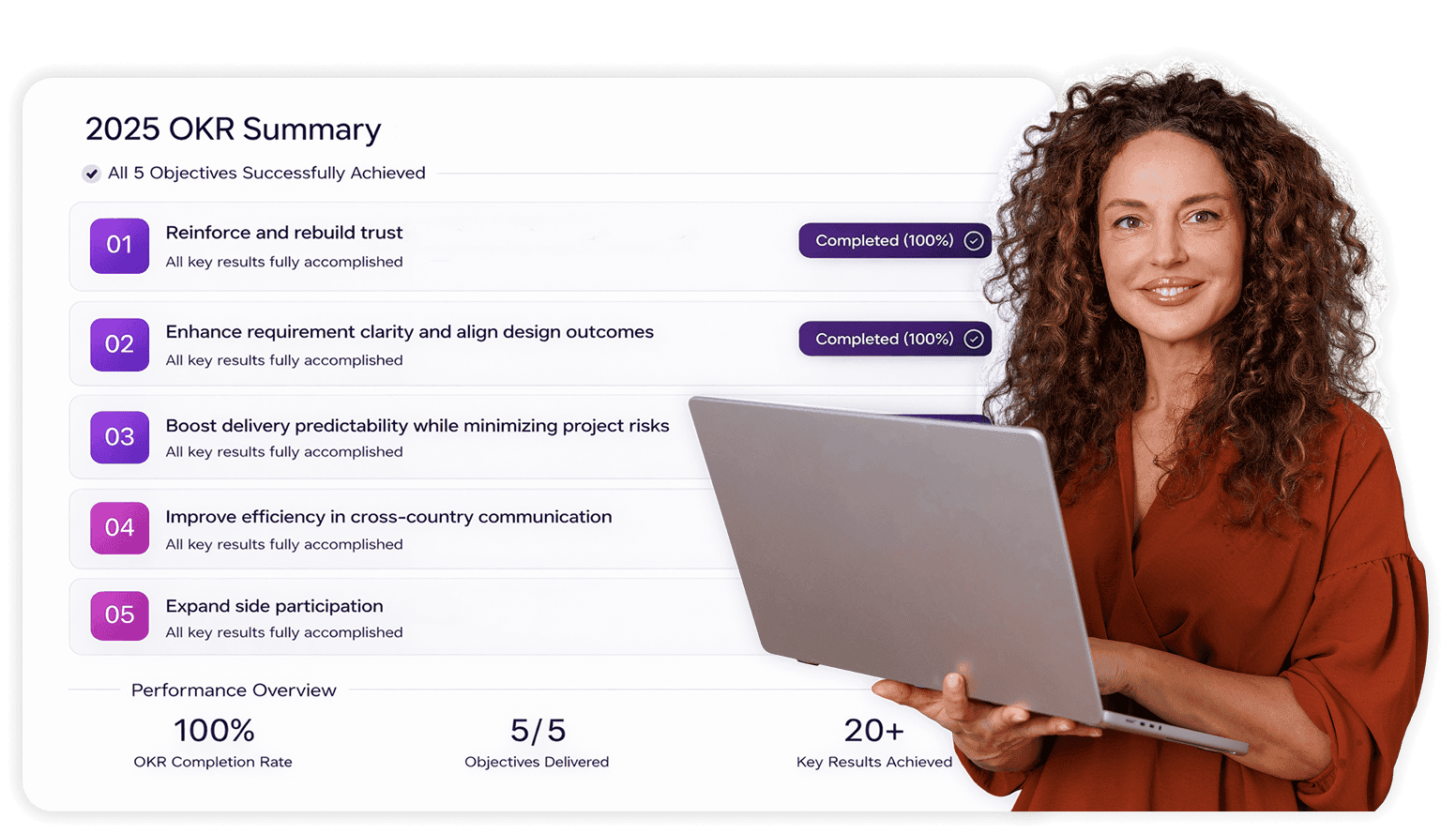
Performance reviews can either strengthen alignment and trust or create confusion and frustration. The difference usually comes down to structure and clarity.
A well-designed performance review template helps managers deliver fair, specific feedback while giving employees a clear understanding of expectations and growth opportunities. Done right, performance reviews are not one-sided evaluations. They are focused, two-way conversations about performance, development, and future goals.
In this guide, you’ll find practical performance review templates, examples, and sample comments designed to support both managers conducting reviews and employees preparing for them.
A performance review is a structured conversation between a manager and an employee to assess performance over a specific period. It typically covers key responsibilities, accomplishments, areas for improvement, and future goals.
For managers, reviews create consistency, support documentation, and help align individual performance with business objectives. For employees, they provide clarity on strengths, growth areas, and career progression.
When conducted regularly and with clear criteria, performance reviews reduce ambiguity and build trust. Instead of dwelling on past mistakes, effective reviews prioritize actionable feedback and forward-looking goals.
Done well, a performance review becomes a tool for growth, alignment, and long-term engagement.
A clear structure helps performance reviews stay focused, fair, and productive. While formats may vary, most effective reviews include five core components.
Start by revisiting the employee’s core responsibilities and previously set goals. This anchors the conversation in agreed-upon expectations rather than personal opinion.
You should discuss:
This ensures feedback is tied to defined expectations, not vague impressions.
Next, highlight specific achievements during the review period. Focus on outcomes, impact, and behaviors that contributed to success.
Instead of general praise, reference:
Specific examples make positive feedback credible and repeatable.
Constructive feedback should be clear, behavior-based, and forward-looking. The goal is improvement, not criticism.
Effective development feedback:
Balancing strengths with areas for development keeps the review grounded and fair.
A performance review should not end with a summary of past performance. It should establish a clear path forward.
Set goals that are:
This shifts the review from evaluation to progression.
Performance reviews are most effective when they are conversations, not monologues.
Invite the employee to:
Encouraging dialogue builds trust and increases accountability on both sides.
A structured performance review template ensures consistency across teams while making the process clearer for both managers and employees. Instead of starting from scratch each review cycle, a standardized format keeps feedback focused on expectations, measurable outcomes, development areas, and future goals
The following template provides a balanced framework that supports fair evaluations, clear documentation, and meaningful two-way conversations throughout the employee lifecycle.

An annual performance review template takes a broader view of performance over the full year. In addition to evaluating results and responsibilities, it allows managers and employees to reflect on long-term growth, evolving role expectations, and overall contribution to organizational goals.
A 90-day review template focuses on early performance, onboarding progress, and role alignment. Rather than evaluating long-term results, this format helps managers assess how well a new employee has integrated into the team, understood expectations, and begun contributing to key objectives.
Seeing real performance review examples can make it easier to write balanced, specific feedback. Below are sample performance reviews that demonstrate constructive language, measurable impact, and forward-looking development.

“During this review period, Jordan consistently exceeded expectations in project delivery and cross-functional collaboration. They led the Q2 product launch ahead of schedule, resulting in a 12 percent increase in customer adoption. Jordan communicates clearly, anticipates potential roadblocks, and takes initiative without waiting for direction.
For the next review cycle, the focus will be on expanding leadership skills by mentoring junior team members and taking ownership of larger strategic initiatives.”
“Taylor meets core job expectations and reliably completes assigned tasks. However, there have been several instances in which deadlines were missed due to insufficient proactive communication about workload challenges.
To improve, Taylor should provide earlier visibility into project timelines and flag potential delays before they impact team deliverables. Over the next quarter, we will focus on strengthening time management and communication habits to ensure consistent on-time performance.”
“Over the past six months, I improved my client onboarding process, reducing setup time by 15 percent. I also volunteered to support two cross-department initiatives, which strengthened my collaboration skills.
One area I want to improve is delegation. I sometimes take on too much work independently. In the next review period, I plan to document processes more clearly and involve teammates earlier in projects.”
“As a team lead, Morgan has created a supportive environment where employees feel comfortable sharing ideas and concerns. Engagement scores for the team increased by 10 percent this year.
To continue developing as a manager, Morgan should focus on delivering more consistent performance feedback throughout the year rather than concentrating it around formal review cycles. Implementing monthly one-on-one goal check-ins will support this improvement.”
The right performance review phrases can help managers deliver clear, specific feedback while keeping the conversation constructive. Below are examples of performance review comments, organized by common evaluation areas.
Communication Skills
Positive:
Development-Focused:
Teamwork and Collaboration
Positive:
Development-Focused:
Leadership
Positive:
Development-Focused:
Time Management and Productivity
Positive:
Development-Focused:
Problem-Solving and Initiative
Positive:
Development-Focused:
Effective performance reviews require preparation, clarity, and consistency. Following a few core best practices helps ensure feedback is fair, constructive, and focused on growth rather than criticism.
Preparation helps employees approach a performance review with confidence and clarity. Rather than waiting to react to feedback, thoughtful preparation allows employees to participate actively in the conversation.

Even well-intentioned performance reviews can fall short if structure and preparation are lacking. Avoiding these common mistakes helps keep reviews fair, productive, and growth-focused.
Most organizations conduct performance reviews annually, but many supplement them with quarterly or mid-year check-ins. Regular feedback throughout the year is more effective than relying on a single annual review.
Performance reviews are generally not legally required. However, consistent documentation of employee performance can help organizations support promotion decisions, address underperformance fairly, and reduce legal risk if employment issues arise.
Constructive performance review comments should be specific, behavior-based, and forward-looking. Reference clear examples, explain the impact of actions, and outline actionable next steps for improvement rather than focusing on personality traits.
Modernize your hiring process with expert insights and advice.