

How To Conduct a Structured Interview
Learn how to conduct structured interviews effectively with our comprehensive guide.
Written by
VidCruiter Editorial TeamReviewed by
VidCruiter Editorial TeamLast Modified
Jan 2, 2026
SHARE THIS ARTICLE


TL;DR: Skills Employers Look For In 2026
Skills-based hiring has become a defining force in today’s job market, reshaping how organizations evaluate talent and how professionals position themselves for career growth. Instead of relying solely on resumes, employers are increasingly focused on whether candidates can demonstrate the skills required to solve real problems, collaborate effectively, and adapt in fast-changing environments.
This shift makes 2026 a pivotal year. New technologies and evolving workplace expectations are accelerating the pace at which organizations redefine roles, and employees can no longer assume experience alone will carry them forward. Employers must understand which skills truly drive performance and engagement, while job seekers need clarity on what to develop, refine, and showcase to remain competitive.
This guide bridges both sides of the hiring equation. It will highlight the skills employers look for, explain why they matter now, and offer practical ways for job seekers to articulate and strengthen them. Whether you're building a high-performing team or preparing for your next career move, understanding the skills that define success in 2026 will help you make smarter, future-ready decisions.
Employers are making a clear move toward skills-based hiring. Sixty-five percent of organizations now evaluate candidates based on specific competencies rather than traditional credentials such as degrees or job titles. This shift reflects a growing need for proof of practical, job-ready skills that align with rapidly changing workplace demands.
Artificial intelligence is a major driver of these new expectations. As AI skills become more integrated into business processes, employers are prioritizing candidates who can work effectively with new technologies, understand how to apply them, and adapt as tools evolve. This has raised the bar for both technical and cognitive skills and accelerated the pace at which skills must be updated.
The World Economic Forum highlights the urgency of this transformation. According to its analysis, more than 50% of workers will need reskilling, and 39% of core skills are expected to change by 2030. Employers can no longer assume that the skills valued today will remain relevant in the near future, which is why hiring strategies are shifting to focus on potential, capability, and adaptability.
70% of employers prioritize analytical thinking as the most important skill for the future of work.
Companies and employees don’t have to make this switch alone. Penny Zenker, a keynote speaker and workplace strategist known for her research on the future of work, highlights a perspective that reframes the conversation around skills development and leadership priorities.
With AI, we can collaborate with employees to share their individual preferences and styles so that leaders can have more meaningful conversations and more specific personal development plans. Employees want to feel known, valued, and supported, and AI can actually help create the conditions for stronger human connection—if we use it for that purpose.
Technical skills remain among the most valuable assets in the modern labor market. Employers are prioritizing candidates who can work confidently with emerging technologies, interpret data, protect digital infrastructure, and support the growing demand for online customer experiences. These skills unlock career paths with strong growth potential, competitive salaries, and long-term relevance as organizations further digitize their operations.
The most in-demand technical skills employers look for fall into five core categories.
These five high-income skills are financially rewarding because they sit at the intersection of technology, strategy, and business value. Employers are not looking for people who can simply use tools. Employers want professionals who can turn those tools into outcomes that improve efficiency, reduce risk, increase revenue, or create better customer experiences.
Zenker shares that, “In 2026, the highest salaries will go to the people who can make AI more valuable—not by replacing the human element, but by elevating it.”
Technical Skill
Example Job Titles
Salary Range
AI and machine learning
$120,000-$225,000+
[Source]
Data analysis and visualization
$85,000-$160,000+
[Source]
Cybersecurity
$70,000-$200,000+
[Source]
Cloud computing and software development
$90,000-$160,000+
[Source]
Digital marketing
$60,000-$180,000+
[Source]
While some roles in these fields benefit from formal education, many of the highest-paying opportunities do not require a traditional four-year degree because educational institutions can struggle to keep up with technological advancements.
Employers increasingly focus on demonstrable skills, portfolio quality, and professional certifications. Individuals can enter lucrative roles by building expertise through online courses, apprenticeships, coding bootcamps, micro-credentials, and hands-on project work.
Skills such as software development, digital marketing, cloud engineering, and data analytics offer accessible pathways for candidates willing to learn independently and apply their knowledge in real-world contexts.

While technical skills can open doors, soft skills determine how effectively employees perform once they step into a role.
Modern organizations rely on cross-functional collaboration and coordinated problem-solving. This makes the ability to work well with others a core area on many interview rubrics. In fact, 80% of employers seek strong teamwork skills when evaluating candidates, underscoring how essential this competency has become.
The rise of distributed and hybrid work environments has increased the need for intentional collaboration. Employees must communicate clearly across platforms, manage employer expectations without constant supervision, and build trust without relying on in-person interactions.
Emotional intelligence (EQ) plays a significant role in how well employees manage these dynamics. EQ includes self-awareness, empathy, self-regulation, and the ability to read and respond to social cues. In the workplace, these skills support constructive feedback, reduce conflict, and help teams maintain momentum when challenges arise. Emotional intelligence strengthens teamwork by enabling employees to understand their own reactions and adapt to others' needs.
Technical skills may allow someone to complete a task, but emotional intelligence determines whether they can communicate effectively, lead others, and create a positive environment where work can be done.
80% of employers seek strong teamwork skills when hiring.

Beyond technical expertise and interpersonal strengths, employers are placing greater emphasis on foundational professional skills that influence long-term performance. These abilities determine how employees approach challenges, manage priorities, and contribute value across different roles and environments.
Organizations need people who can evaluate information, identify root causes, and recommend solutions that address both immediate needs and broader business goals. Employees who think critically can navigate ambiguity, assess tradeoffs, and make informed decisions without constant direction.
Written and verbal communication affects everything from team coordination to client relationships. Professionals who can present ideas clearly, tailor messages for different audiences, and listen actively are more effective collaborators and leaders. In a competitive workplace, communication is often the factor that determines whether good work is recognized and implemented. A recent Gallup survey found that 77% of hiring managers consider communication skills very important in determining a new hire's success.
As roles evolve and priorities shift, employees must be able to adjust quickly and maintain focus under pressure. Resilient professionals recover from setbacks, absorb feedback, and learn continuously. These qualities make them valuable during periods of uncertainty or growth.
Leadership is no longer tied to seniority or a title. It is demonstrated through initiative, accountability, and the ability to influence outcomes. Leadership is often demonstrated well before someone receives a formal title. Employees who take initiative, model accountability, and positively influence outcomes are often identified for advancement.
Artificial intelligence enables employees to accomplish more in less time, but it can also create distractions if not managed intentionally. Effective time management ensures that employees prioritize the tasks with the greatest strategic value and maintain focus in dynamic environments.
Together, these professional skills employers look for create balance. As you get up the ladder, it’s not always about what you can do, but what you can inspire in other employees and teams. Employees who combine hard and soft skills are positioned not only to succeed in their current roles but to advance as responsibilities expand.
Skills-based hiring changes how candidates present themselves and how employers determine who is the best fit for a role. Instead of focusing on where someone worked or the degree they earned, this approach evaluates whether candidates can demonstrate the skills required to succeed. Job seekers who understand this shift can position themselves more effectively in a competitive market.
Employers assess skills in several ways. They use:
According to Zenker, these tests help organizations find employees with The Reset Mindset, which is “about dynamically reassessing, challenging biases and the status quo, being open and willing to reinvent, and being focused on value for the client, the organization, and the team.”
Companies can’t afford talent that will shrink in the face of adversity or challenges.
As job roles evolve and new technologies emerge, employers will focus on candidates who show adaptability, curiosity, and a willingness to learn. Job seekers who track their accomplishments, build visible examples of their work, and communicate their strengths clearly will have a significant advantage in a skills-based hiring environment.

Demonstrating skills clearly and consistently is one of the most powerful ways to stand out during the hiring process. Employers want to see how candidates apply their abilities, not just read a list of competencies. Presenting your skills through strategic documents, online profiles, and interview responses helps hiring teams understand your value and potential impact.
Use formatting that is readable by applicant tracking systems and avoid complex graphics that may interfere with automated parsing. Prioritize strong verbs and quantify results whenever possible. Instead of writing that you improved a process, specify how much time was saved or how performance was increased. This makes your contributions clear and measurable.
The STAR method helps candidates communicate results by breaking responses into Situation, Task, Action, and Result. Competency-based questions give employers insight into how you solve problems, manage conflict, or collaborate with others. Having a few strong stories prepared ensures you can speak confidently about past experiences.
A well-maintained LinkedIn profile highlights your skills, endorsements, and achievements. A digital portfolio provides work samples, case studies, or project summaries that prove your abilities. You should also consider other strategic websites that people in your field or job frequently visit. Together, these elements give employers a consistent view of what you can do and how you can contribute from day one.

The most important advantage any professional can cultivate is the ability to grow with intention. The smartest path forward begins with awareness. Understanding what you already do well and where gaps exist allows you to make informed decisions about the skills you need to develop next.
Once there is clarity, the question becomes where to invest time and energy. Not every class, certification, or training opportunity delivers the same value. Prioritize learning efforts that align with industry trends, career goals, and organizational needs to ensure that growth fuels advancement rather than simply accumulating knowledge.
Online platforms and micro-credentials make this process more accessible than ever before. Professionals can build expertise through courses, short programs, and hands-on projects without committing to long-term degrees.
The most successful professionals treat learning as an ongoing habit, not a one-time event. They refine skills through practice, feedback, and adaptation to changing expectations. Measuring the return on these investments is straightforward: new opportunities, expanded responsibilities, and the ability to solve more complex problems are signs that skill development is paying off.
Static accomplishments will not determine career success in the years ahead. It will be shaped by how well individuals identify what matters, invest in growth, and apply their abilities to create meaningful results.
Employers value analytical thinking, problem-solving, communication, and collaboration. Technical abilities such as data analysis, AI skills, and cybersecurity also stand out, especially when candidates can apply them to real business challenges.
Software development, cloud engineering, cybersecurity, data analytics, and digital marketing offer strong earning potential without a traditional four-year degree. Employers increasingly care more about portfolios and proven ability than academic credentials.
Emotional intelligence affects how employees communicate, respond to feedback, and work with others. EQ supports teamwork, reduces conflict, and makes professionals more effective in hybrid and cross-functional environments.
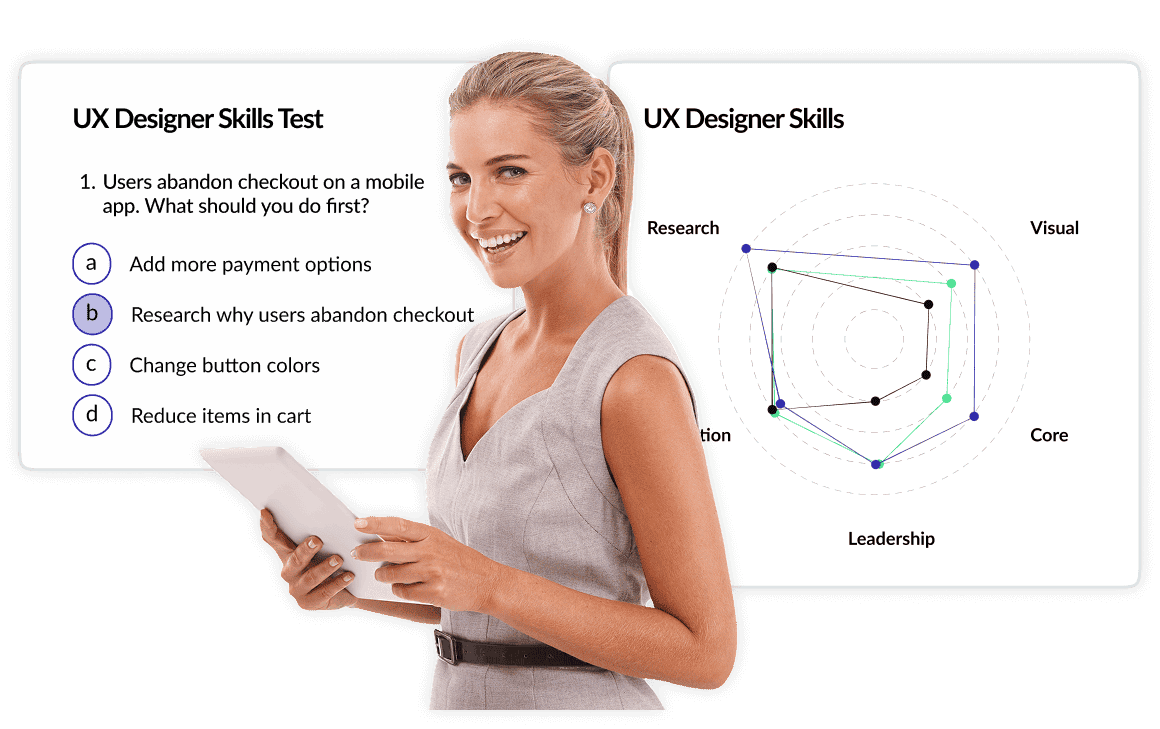
Employers assess candidates through work samples, technical exercises, scenario-based questions, or skills tests. This approach focuses on what people can do, rather than where they work or what they studied.
Online courses, micro-credentials, mentoring, and project-based work offer flexible ways to build expertise. Applying new skills in real or simulated settings helps learning translate into measurable results.
Modernize your hiring process with expert insights and advice.