
How to Create and Use Interview Scorecards
Discover how to standardize candidate evaluations with predetermined rubrics used during an interview.
Written by
VidCruiter Editorial TeamReviewed by
VidCruiter Editorial TeamLast Modified
Jan 7, 2026
SHARE THIS ARTICLE


TL;DR Can AI Reduce Interview Bias?
Leading HR professionals have a track record of embracing technology solutions to improve time to hire. Which is why artificial intelligence (AI) tools are now on the radars of many hiring teams.
But doubts remain about whether using AI hinders fairness, or whether AI can actually reduce interview bias. With many tools still in their infancy, it can be hard to understand when you’re potentially introducing discrimination as a trade-off for efficiency.
Discover AI’s limitations and risk in relation to fair hiring and how to best harness the technology to help limit interview bias.
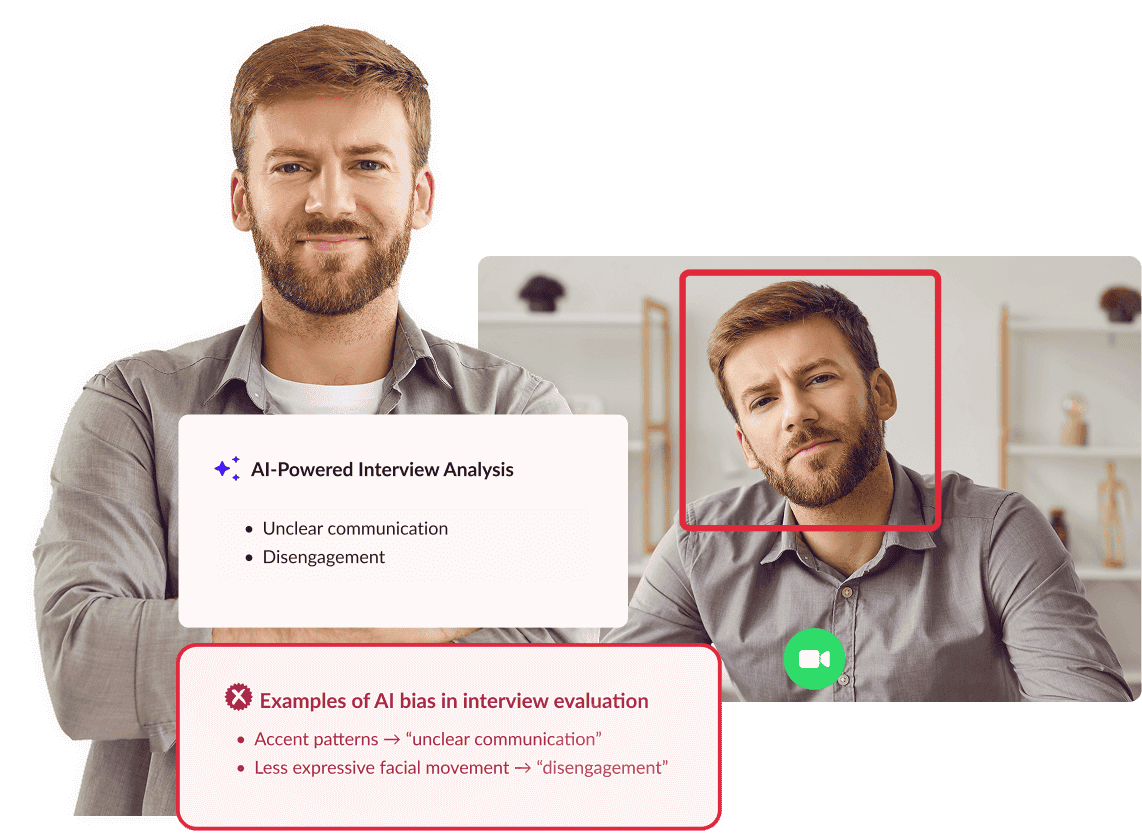
Interviewer biases make the recruitment process less fair, which prevents organizations from benefiting from a more diverse, engaged and innovative workforce. Top candidates can get overlooked due to personal preferences, prejudices, and stereotypes.
A 2024 survey from management consulting firm Bridge Partners, found 94% of executives thought DEI was important for its positive impact on recruiting, hiring and retention. Eighty-seven percent of HR leaders said DEI was a ‘high priority’.
Fair hiring is still a business priority
President of SHRM CEO Action for Inclusion and Diversity, Anuradha Hebbar, told Business Insider in April 2025 that despite a recent increase in anti-DEI rhetoric, many companies remained committed to having a diverse workforce and remaining compliant.
"I think leading organizations are looking to optimize their diverse workforce to ensure fairness and making sure that they're lawful — but also really trying to drive meaningful business outcomes," she said.
HR professionals are under pressure to deliver bias-free recruitment that secures the best talent, while also mitigating the risk of discrimination lawsuits or falling under the scrutiny of the U.S. Equal Employment Opportunity Commission (EEOC).
And although many HR teams have fewer resources to spare to manage the hiring process — which points to the need for tech-enabled efficiency — many also remain skeptical about AI. AI tools have advantages, but their role in improving hiring equity is clouded by factors including:
which has the potential to negatively impact the candidate and employee experience, and a company’s reputation. Around 59% of US adults surveyed in October 2025 think AI is increasing workplace bias, not reducing it (SHL).
including Canada’s Artificial Intelligence in Data Act, and various pieces of legislation passed by U.S. states, such as California, that require AI transparency and prohibit the use of AI in ways that potentially violate discrimination laws.
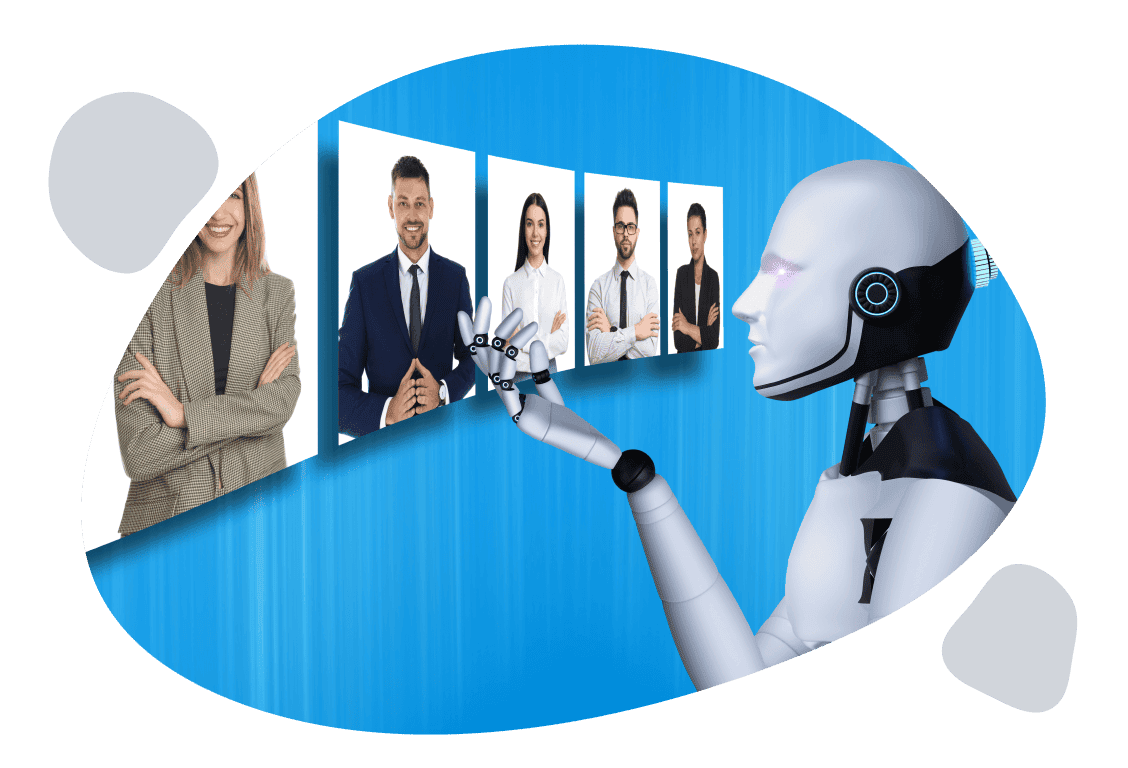
AI tools used in recruitment are at varying levels of maturity, and not necessarily designed from a strategic talent management perspective. Which is why a human-centred approach to hiring is still the best approach.
Co-leading AI adoption is a must for HR in 2026
In its HR Priorities 2026 Report, the Academy to Innovate HR (AIHR) argues that the biggest risks of AI aren’t technical, but human. In 2026, HR leaders need to contribute to strategy and ethics discussions to help develop standards for bias-prevention that avoids tool misuse and gives employees confidence to apply AI in hiring.
“Poor governance magnifies bias, erodes trust, and threatens to alienate the workforce,” the report states.
As long as real people are the ones choosing, using and scrutinizing AI tools and their outputs, it makes sense for HR teams to systematically address inclusivity and ethical decision-making. In doing so, acknowledge that biases, whether they’re conscious or unconscious, are hard to overcome and impossible to eliminate entirely.
Ruchika T. Malhotra, the author of the book Inclusion on Purpose: An Intersectional Approach to Creating a Culture of Belonging at Work, notes that affinity bias — a preference for those who share our attributes and experiences — is a particularly powerful force.
“It’s important to accept that no one is pre-loaded with inclusive behavior; we are, in fact, biologically hardwired to align with people like us and reject those whom we consider different,” she said. Malhotra said it helps for hiring teams to explicitly acknowledge that they hold biases, create opportunities to call them out, and hold each other accountable.
Further making the case for honing your human-led hiring capabilities is the fact that research shows affinity bias and stereotypes are at risk of becoming integrated into AI recruitment systems (The International Journal of HRM).
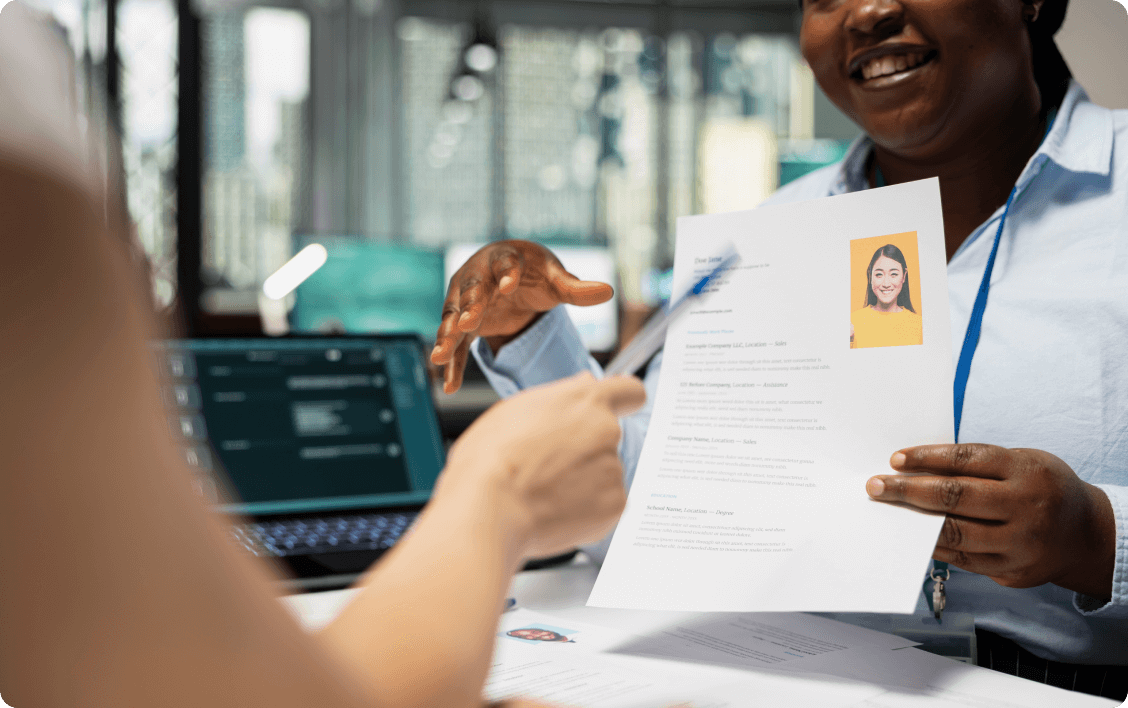
An organization that better understands the impact of biases is better equipped to implement holistic, standardized practices and leverage AI tools to circumvent, rather than amplify, discrimination.
For example, you might focus on improving your interview process. Structured interviews are widely regarded as the gold standard for consistent and fair assessments of candidates. It ensures all potential hires get asked the same job-related questions, in the same order, and get scored based on a predetermined rating system.
One ideal application of AI tools for fair hiring is improving the speed of operational processes related to structured interviewing — such as an AI-powered job analysis based on previous recruitment efforts used to develop an interview plan.
Clarity with less effort means human decision-makers have more mental energy to reflect on AI’s outputs, interrogate potential bias, and make great hiring decisions. The Gartner 2026 Top Priorities for CHROs report found that evolving the HR operating model had the highest predicted impact on AI productivity gains.
Safe and helpful applications of AI to reduce interview bias include:
It may be tempting to trust that AI-powered software features and machine learning algorithms will be accurate or more objective. However, AI bias in hiring is well understood. Algorithmic biases, such as favoring men over women, can arise due to errors in a model or unrepresentative training data.
The EEOC highlights that the use of AI tools doesn’t change an employer’s existing obligations under federal anti-discrimination laws. Regardless of how an interview is conducted or evaluated, HR professionals and hiring managers need to ensure:
A key example the EEOC gave of potential violations included the use of AI to analyze candidates’ speech patterns as a measure of their capabilities — which disadvantages people who may speak differently due to a disability.
It’s also important to keep in mind how a seemingly neutral recruitment process could lead to unfair outcomes because of the poor design of certain tools. For instance, if an AI-enabled facial recognition feature is less accurate for darker skin tones, black candidates’ scores or results could be inaccurate.

Active intervention needed to keep tools unbiased
During a public hearing held in 2023 by the EEOC on the topic of algorithmic bias in recruitment, MIT Assistant Professor Manish Raghavan pointed out that modern AI systems are training on historical data, which means that active intervention from developers is required to avoid replicating biased patterns found in that data.
“Selection rate disparities depend not only on the model, but the data on which it’s evaluated. So a model that appears to have no selection rate disparities on past data, may still produce selection rate disparities when deployed — simply because a firm cannot guarantee that the past data will be representative of future applicants,” Raghaven said.
You have to trust that a software vendor is carefully managing data sets, identifying the correct ‘quality’ markers or predictive insights, effectively testing models before they’re deployed, and — importantly — has a commitment to continuous AI governance and improvement.
It’s difficult for any solution provider to guarantee with complete certainty that its AI tools will remain valid when applied to smaller populations of people with protected characteristics. But technology platforms that are worth considering will:
VidCruiter CEO Sean Fahey has openly stated that existing AI capabilities don’t meet the necessary standards for evaluating candidates without constant human oversight. Therefore VidCruiter’s platform doesn’t enable AI-led candidate assessments or voice and facial expression analysis during video interviews.
“Our commitment ensures we only deploy AI tools when both hiring organizations and candidates are fully informed about the AI application. We build and deploy AI systems with demonstrated validity and proven efficacy, aligning with regulations and their intent,” Fahey said.
Testing and continuous monitoring to promote fairness and valid outcomes is a core tenet of VidCruiter’s Commitment to Ethical AI development.
Using recruitment tools to reduce interview bias and avoid potential downsides from AI bias, starts with a well-planned software selection and implementation process. Preference to vendors that are committed to responsible AI design, who understand the importance of human oversight, and are transparent about how they govern and develop their tools.
Secondly, it’s best practice to document when and how AI tools are used at different stages. Develop an internal AI framework for recruiting that links to your other organizational policies and decision-making processes.
3 Ways to reduce biases in AI hiring tools
U.S. workplace equity advisor and author, Janice Gassam Asare, Ph.D. advises organizations that want to ensure fair recruitment processes should:
Key to an effective AI framework is finding the right mix of human and AI agency. After all, HR leaders and their organizations are the ones that will face the consequences for the failures of AI systems.
A study by the University of Washington presented on 22 October at the AAAI/ACM Conference on Artificial Intelligence, Ethics and Society, showed that people involved in hiring decisions tend to follow AI recommendations even when they show signs of biases. Even when the simulated AI recommendations were ‘severely’ biased, human reviewers only made slightly less biased decisions than the AI tool.
It’s recommended that organizations:
Finally, don’t forget to set-up processes to keep candidates informed about how AI is being used, with advance warning. Also, determine how you’ll accommodate candidates that need alternative arrangements.
The EEOC advises employers should "take steps to provide information about how the technology evaluates applicants or employees…and provide instructions for how to seek a reasonable accommodation.”

AI’s potential to increase the business value that HR brings through inclusive hiring is not about outsourcing decision-making. Organizations are looking to HR leaders to manage potential risks and preserve the credibility of its hiring practices.
Cautious AI implementation to drive processes, with discerning humans making sense of insights, can support a tangible reduction in interview bias.
Global consultancy McKinsey published an article in November 2025 that highlighted how agentic AI has the potential to blur the lines between human and digital labor when it comes to a range of HR tasks, including recruitment.
“Technology will enable accelerated and broadened sourcing, more rapid and unbiased screening, and more; it can improve recruiter, hiring manager, and candidate experiences,” its authors posit.
The firm argues that success hinges on having the clarity, transparency and trust required to ensure “every AI decision reinforces human values”.
In 2018, retail giant Amazon stopped using an internal AI recruitment tool when it realized the program was biased against women. The problem was due to the model being trained on a data set of resumes submitted to the company over a 10-year period, which were mostly from men. It was found to be penalizing job applicants when their resume included modifiers like “women’s”.
Both humans and AI tools are capable of exhibiting bias during interviews. But unlike black-box systems where it may be unclear how the AI model has reached a recommendation, human decision-making can be balanced by emotional intelligence and DEI training, peers on a hiring panel holding each other accountable, and documenting and auditing hiring decisions.
Modernize your hiring process with expert insights and advice.